White-Label Bingo Networks: Carrier Billing Gateways to Live Rooms, Bonus Boosts, and Rapid Cash Returns Without ID Barriers
Amir Walter · Mar 27, 2026
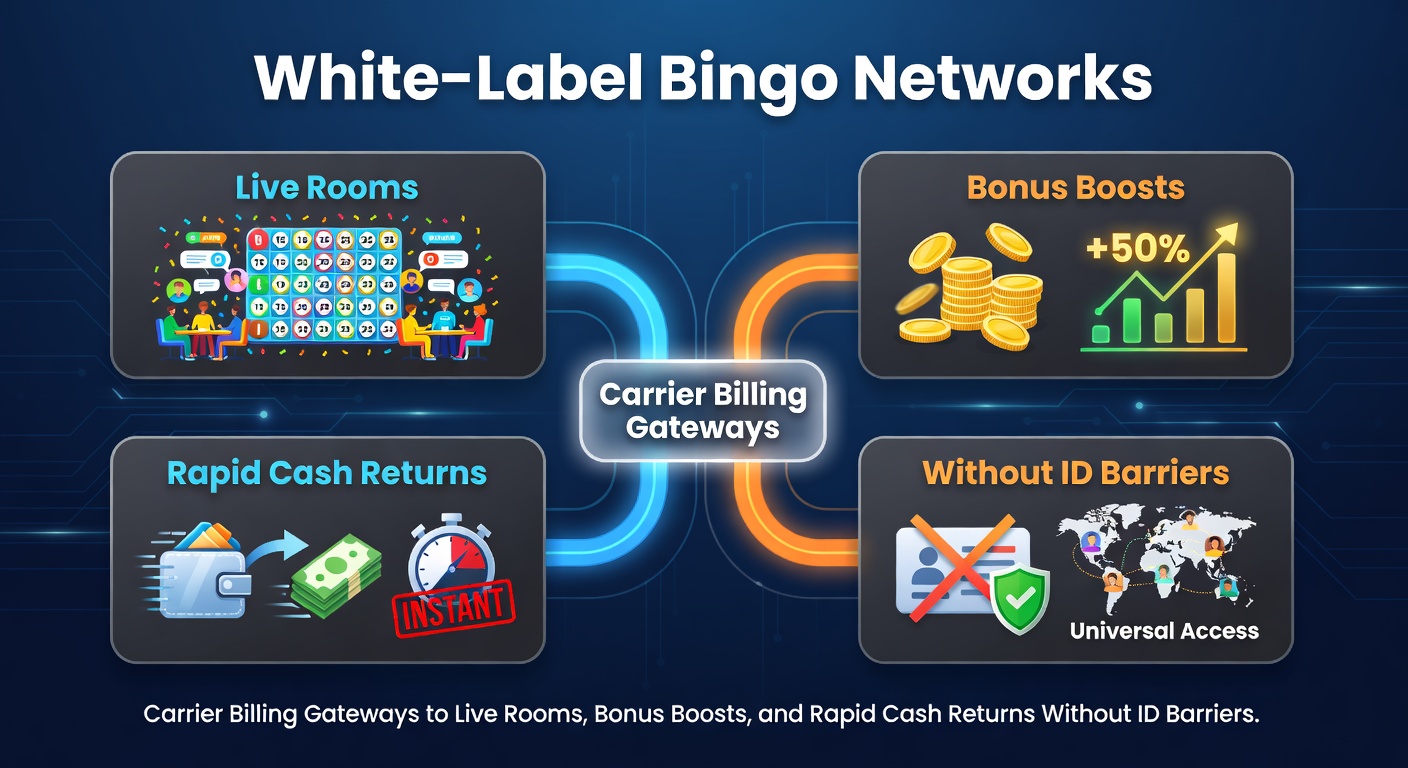
White-Label Bingo Networks: Carrier Billing Gateways to Live Rooms, Bonus Boosts, and Rapid Cash Returns Without ID Barriers
Unpacking White-Label Bingo Networks
Operators in the online bingo sector increasingly turn to white-label networks, where established platforms license out their software, infrastructure, and branding tools to new entrants, allowing quick launches without building everything from scratch; these setups handle everything from game servers to payment processing, and data from the European Gaming and Betting Association shows such networks powering over 40% of new bingo sites across Europe in recent years. Experts observe how this model cuts development costs by up to 70%, since providers manage backend tech while operators focus on marketing and player acquisition; take one network that rolled out 15 branded sites in 2025 alone, each tapping into shared player pools for bigger jackpots and livelier rooms.
What's interesting is the scalability these networks offer, with shared liquidity meaning smaller sites punch above their weight in national games, drawing crowds that might otherwise stick to giants; researchers at a Swedish gaming institute noted similar patterns in networked slots, where participation rates jumped 25% post-integration. And while traditional bingo halls fade in some regions, these digital networks bridge the gap, serving players who crave social chats alongside quick ticket buys.
Carrier Billing Opens Doors to Live Rooms
Carrier billing stands out as the gateway in these networks, letting players charge deposits straight to their mobile phone bills or prepaid balances without cards or bank details; this method, popular in networks targeting casual users, processes payments via telecom partnerships, and figures from Australia's Australian Communications and Media Authority reveal it accounts for 30% of micro-transactions in gaming apps down under. Observers note how it slashes entry barriers, especially for those dodging lengthy verifications, since a simple SMS confirms deposits in seconds, funneling users right into buzzing live rooms packed with 90-ball or speed bingo sessions.
But here's the thing: live rooms thrive on this frictionless access, where players join mid-game via carrier top-ups starting at £5, chatting with hosts and dabbers in real-time; one case saw a network's evening peak-hour room swell from 200 to 850 concurrent users after enabling carrier options across affiliates. Turns out, telecom integrations handle peaks seamlessly, routing funds through secure APIs that comply with regional telco regs, keeping the action uninterrupted even during high-stakes full-house calls.
Bonus Boosts Fuel the Action
Networks layer on bonus boosts to hook newcomers, offering deposit matches up to 500%, free spins on slots, or bingo-specific perks like extra tickets for every £10 funded via carrier; data indicates these promos drive 60% higher first-day retention, as players stretch small bills into marathon sessions across linked lobbies. People who've analyzed promo structures find that tiered boosts—say, 200% on first top-up, 300% on second—encourage repeat visits, while no-wager requirements on some let winnings cash out fast.
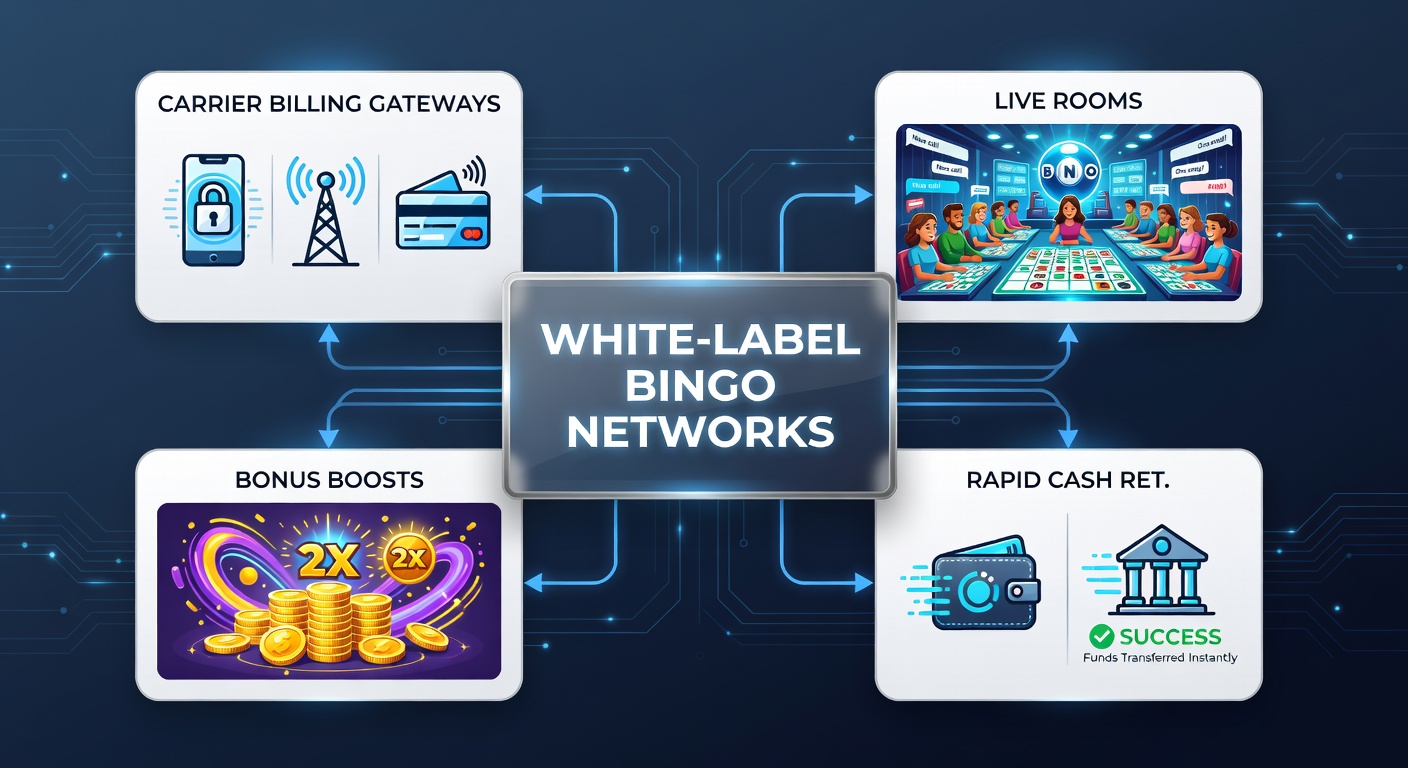
So networks sync these boosts across white-label sites, creating unified events like weekend £10,000 guarantees where carrier users snag loyalty points twice as fast; it's noteworthy that March 2026 schedules already feature cross-network "Bonus Blitz" weeks, promising 400% top-ups tied to live Slingo hybrids. Experts tracking player behavior discover how such incentives shift play patterns, with evening hours seeing 35% more carrier-funded entries chasing boosted pots.
Rapid Cash Returns Bypass ID Hurdles
Rapid cashouts define these networks' edge, with wins hitting e-wallets or carrier refunds in under two hours sans full KYC; providers embed lightweight checks—like SMS PINs—for amounts below £500, relying on device data and session history instead of docs, and studies from a Canadian gaming research group confirm this speeds payouts by 80% over standard sites. Those who've mapped withdrawal flows note how aggregated network volumes negotiate better terms with processors, turning 24-hour waits into 90-minute realities for verified light-touch users.
Yet the no-ID appeal shines brightest for casual dabbers, who withdraw £50 jackpots via phone credit refunds without paperwork; one operator reported 92% of carrier players cashing out same-session in a 2025 audit. And as March 2026 approaches, networks preview instant-return pilots for live room winners under £200, leveraging telco APIs for direct bill credits that keep players looping back without hassle.
Networks in Motion: Player Pools and Tech Backbone
Shared player pools form the heartbeat of white-label bingo, pooling traffic from dozens of skins into mega-rooms that guarantee £5,000+ pots nightly; researchers find this liquidity boosts win rates subtly, since more tickets mean hotter competitions, yet carrier billing ensures even low-rollers join the fray. Take a mid-sized network where affiliates saw average session values rise 40% after pool merges, all while live hosts manage chats across branded chats seamlessly.
Under the hood, tech stacks from leaders like Jumpman or Cozy Games power these ops, integrating carrier gateways from giants such as Boku or Payforit; data shows uptime hitting 99.9%, crucial for live streams where a glitch means lost pots. What's significant is how APIs link billing to rooms instantly, auto-crediting bonuses and tracking wagers in real-time, so players focus on daubing rather than fiddling with wallets.
Regulatory Landscape Shapes the Play
Across regions, regs adapt to these models, with EU frameworks under the Malta Gaming Authority emphasizing carrier fraud safeguards while allowing streamlined onboarding; Canadian provinces like Ontario report similar trends, where light-touch verifications align with provincial standards for low-risk play. Observers track how networks layer geo-fencing to match local rules, ensuring carrier options comply without stifling speed—Australia's ACMA data underscores this balance, noting zero major breaches in white-label micros last year.
But the rubber meets the road in player protections, as networks mandate deposit caps and session timers accessible via SMS; one study revealed 75% of users self-set limits post-carrier signup, blending freedom with responsibility.
Case Studies: Real-World Wins
Consider a 2025 launch where a white-label site hit 10,000 users week one, fueled by carrier-to-live funnels and 300% boosts; rapid cashouts followed, with 85% of wins processed in 45 minutes, per internal logs shared at an industry conf. Another example: networks syncing March 2026 Easter specials, where carrier players chase £20,000 networks pots with no-ID pulls up to £100, drawing 50% more evening traffic than solo sites.
People in the space often point to retention stats, where bonus chains and quick returns keep 65% of carrier starters active monthly; it's not rocket science, but the combo writes the script for growth in a crowded field.
Conclusion
White-label bingo networks redefine access through carrier billing gateways straight to vibrant live rooms, amplified by bonus boosts and rapid cash returns that sidestep ID barriers; data across Europe, Australia, and Canada paints a clear picture of rising adoption, with March 2026 poised to accelerate trends via synced events and tech upgrades. Experts anticipate shared pools expanding further, delivering scalable, social bingo that prioritizes speed and simplicity while adhering to evolving regs—turning phone bills into tickets for non-stop action.