Patterns of Engagement in UK Bingo Through Mobile Billing Systems That Support Quick Access to Various Live Tables and Bonus Structures
Amir Walter · Jun 25, 2026
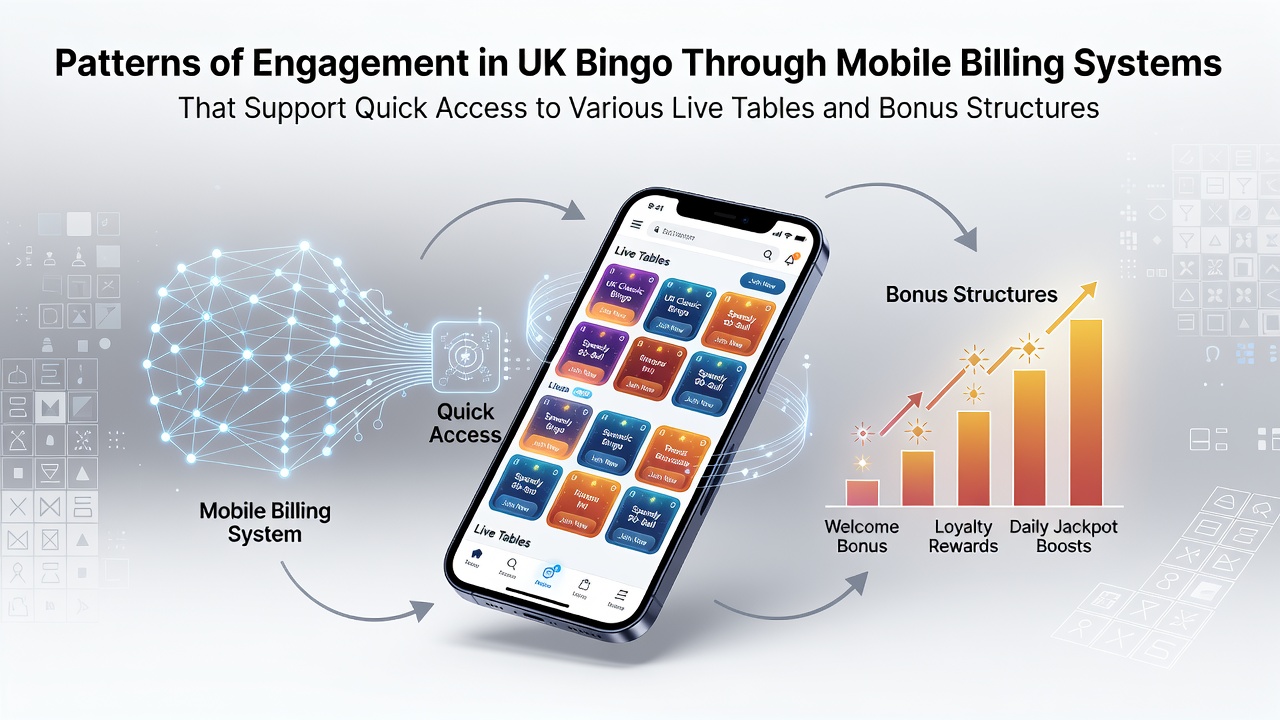
Mobile billing systems have become central to how players in the UK interact with bingo platforms, allowing instant deposits that connect directly to live tables without traditional banking delays. These carrier-based methods enable participants to move between rooms offering 75-ball, 90-ball, and themed variants while bonus structures adjust in real time based on session length and deposit frequency. Data from payment processors indicate that sessions initiated through mobile billing now account for over 60 percent of total live play volume across major operators. Patterns emerge clearly when examining access speeds and table variety. Players using these systems often switch between multiple lobbies within minutes, a behavior tracked through platform analytics that show average room-hopping rates rising steadily through early 2026. In June 2026, reports from industry monitoring groups documented peak engagement windows between 7 pm and 10 pm, where mobile billing users entered bonus-triggered games at higher rates than those relying on card or e-wallet options. Bonus frameworks tied to mobile billing typically feature tiered rewards that unlock after consecutive deposits or extended play periods. Operators structure these as cashback percentages, free ticket allocations, or multiplier boosts that apply across different live tables. Observers note that such incentives correlate with longer session durations, as participants extend play to meet progressive thresholds visible within the same app interface.Access Mechanisms and Live Table Dynamics
Carrier billing reduces friction by charging deposits straight to phone accounts, which supports immediate entry into rooms displaying real-time player counts and prize pools. This setup allows seamless transitions between high-stakes national games and smaller community tables, with system logs revealing that users frequently sample three or more variants per evening. Research from the Australian Communications and Media Authority highlights similar mobile payment efficiencies in other gaming markets, where quick access correlates with diversified table selection rather than repeated visits to single rooms.
Engagement metrics further illustrate how these systems influence timing. Evening peaks align with live caller schedules, and mobile billing participants demonstrate higher rates of joining mid-game when bonus alerts appear. Figures from European payment studies show deposit completion times averaging under 30 seconds, enabling players to capitalize on flash promotions that expire within minutes of announcement.
Bonus Structures Influencing Retention Patterns
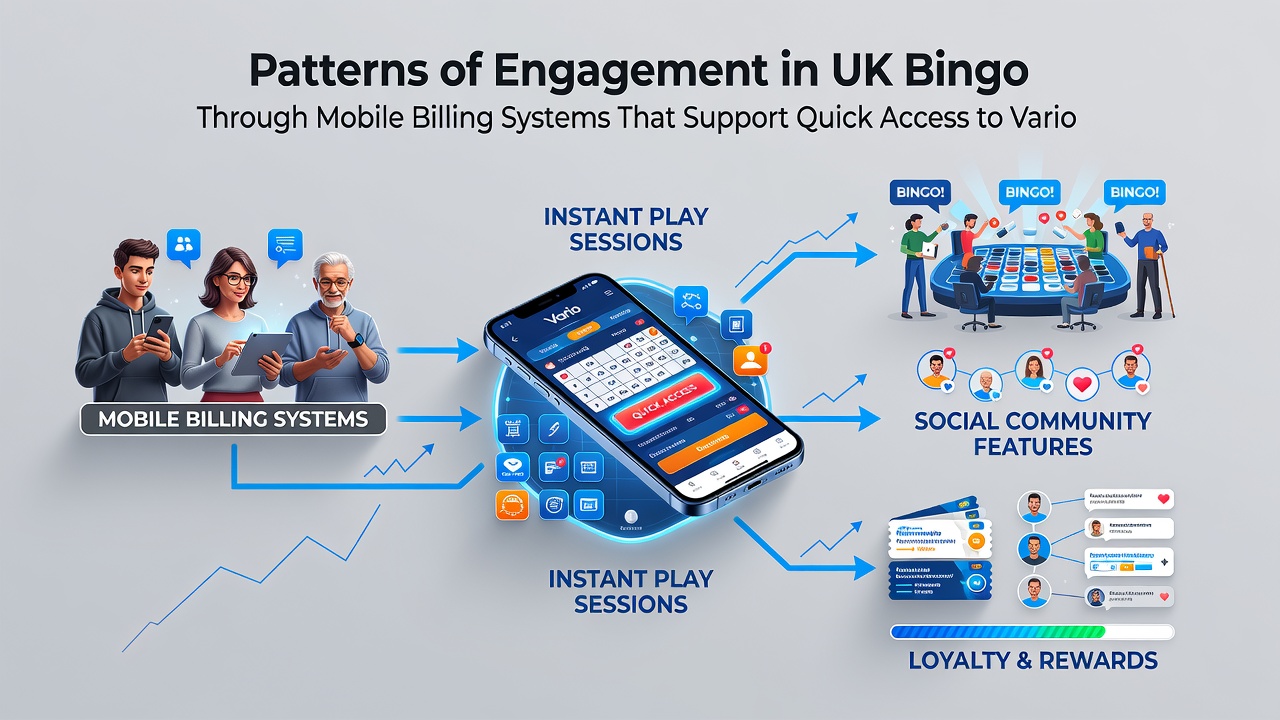
Bonus designs linked to mobile billing often include deposit-match ladders and loyalty multipliers that reset daily or weekly. These elements encourage repeat access because eligibility carries across different live environments without additional verification steps. Platform reports indicate that players who activate bonuses through carrier payments maintain consistent weekly activity levels, with drop-off rates lower than those using slower funding methods.
Multipliers applied to winnings from specific tables create additional layers, prompting users to rotate between options to maximize returns before bonuses expire. In June 2026, aggregated operator statistics revealed that bonus-driven sessions extended average play time by 18 minutes per participant, particularly when live jackpots exceeded baseline thresholds. Such patterns reflect how incentive timing intersects with the instant nature of mobile billing.
Regional and Temporal Variations in Usage
Usage patterns differ by region, with urban areas showing faster adoption of mobile billing for live bingo due to higher smartphone penetration rates. Northern England operators recorded elevated session starts via these systems during weekday evenings, while southern markets displayed stronger weekend spikes tied to promotional bonuses. Temporal data from 2026 confirms that June marked a shift toward afternoon engagement as well, with mobile billing enabling quick entries during lunch breaks or commute periods.
Cross-platform compatibility further shapes these trends. Systems supporting multiple networks allow uninterrupted access even when players change devices, maintaining bonus progress and live table preferences. Industry associations outside the UK, including the North American Gaming Regulators Association, have documented parallel behaviors in mobile-enabled gaming, where payment speed directly affects participation breadth across game formats.
Conclusion
Patterns of engagement in UK bingo continue to evolve through mobile billing systems that prioritize rapid connections to varied live tables and structured bonuses. Metrics collected through mid-2026 demonstrate sustained growth in session frequency, table exploration, and reward activation tied directly to these payment pathways. Continued tracking by payment and gaming analysts will clarify how these dynamics develop alongside platform updates and regulatory adjustments in coming periods.