Mobile Payments Reshape Bingo Participation Across Yorkshire Communities
Wendy Richter · Nov 5, 2026
Mobile Payments Reshape Bingo Participation Across Yorkshire Communities
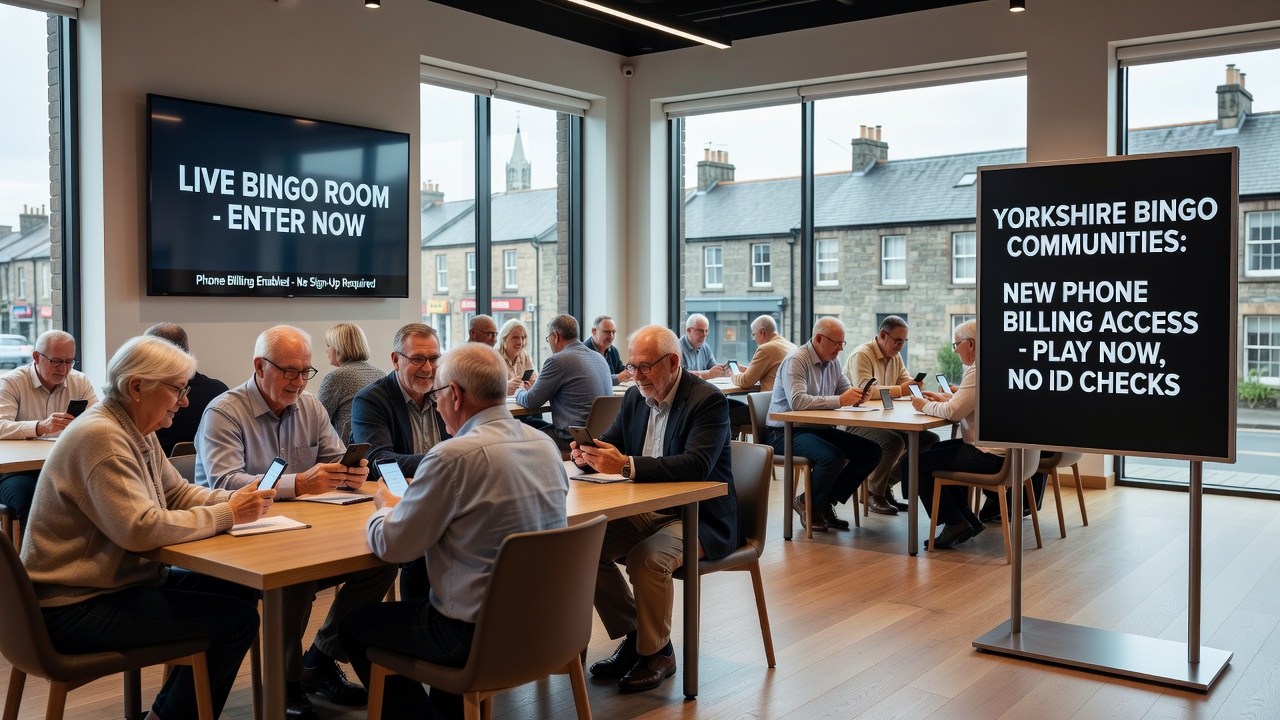
Yorkshire bingo communities have integrated phone billing systems that allow direct entry into live rooms through carrier charges rather than conventional account creation or verification steps, and observers note this shift aligns with broader patterns in mobile payment adoption across regional gaming venues. Data from industry reports shows increased usage of these methods during evening sessions where participants seek immediate access without delays associated with registration processes.
Regional Trends in Payment Methods
Communities in areas such as Leeds, Sheffield, and Bradford have seen local halls and online-linked platforms incorporate carrier billing gateways that process entries via standard mobile accounts, while studies from the Australian Communications and Media Authority indicate similar efficiencies in transaction speeds for entertainment services. Those who've tracked usage patterns report that players complete joins in seconds through simple text confirmations or app taps, and this approach connects directly to live game environments without separate identity documentation at the point of entry.
Figures reveal steady growth in such systems throughout 2025 and into 2026, with November marking particular spikes as seasonal events draw larger groups seeking quick participation options. Researchers at various academic institutions have documented how these billing flows support real-time room hopping, where participants move between multiple lobbies while maintaining session continuity through the same mobile network connection.
Operational Mechanics of Carrier Integration
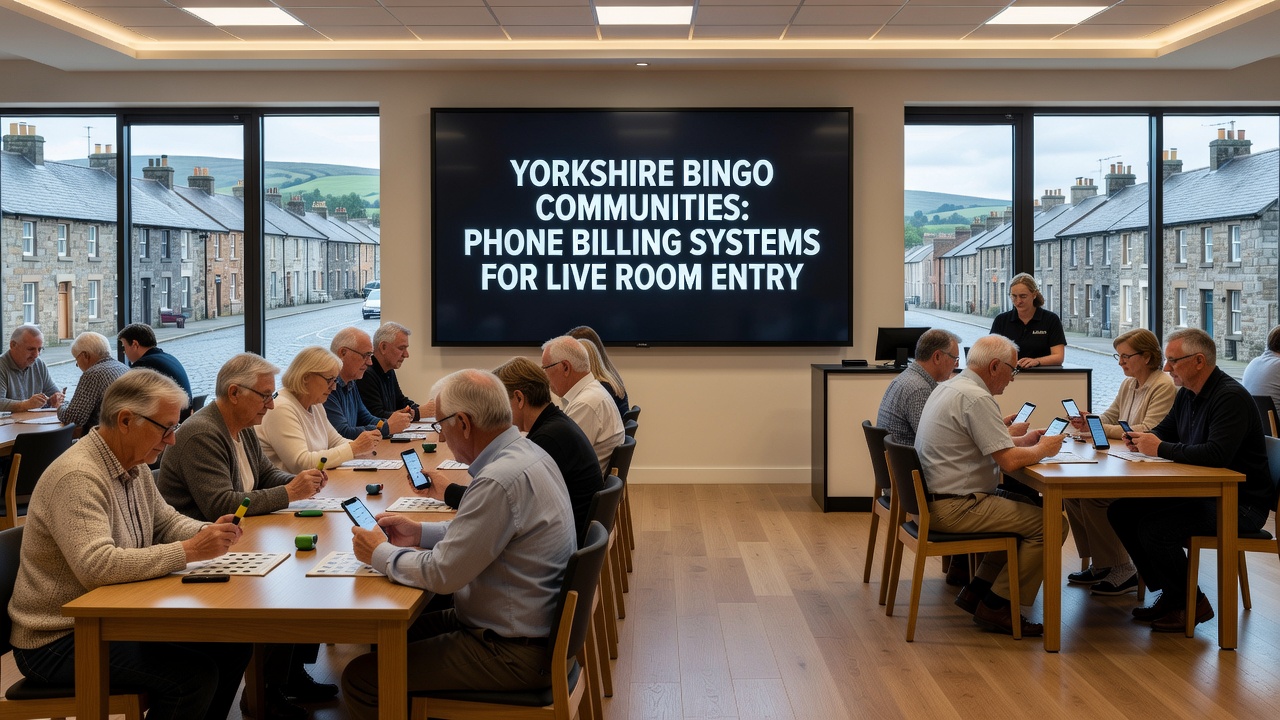
Phone billing operates by linking game credits to monthly mobile statements, and this structure eliminates separate payment portals or stored card details that traditional sign-ups require. Operators in Yorkshire have adapted platforms to recognize carrier signals automatically, which routes players straight into active sessions featuring full-house calls and progressive jackpots. What's interesting here is the way data shows reduced friction leads to higher repeat engagement rates, though exact metrics vary by venue size and network provider agreements.
Examples from Local Implementations
Take one hall network in West Yorkshire that partnered with major carriers to test these entries during weekend events, and results indicated participants spent less time on setup while allocating more to game play itself. Another case involved community groups in Hull that coordinated phone-based access for national games, where payouts processed through the same billing cycle reached accounts before standard banking hours closed the following day. Observers note these adaptations mirror developments reported in research from the European Gaming and Betting Association on streamlined mobile interfaces.
Broader Impacts on Session Dynamics
Live rooms connected through these systems often feature stacked promotions that activate automatically upon entry, and participants report bonuses appearing in accounts within the same billing window. Research indicates that withdrawal times compress when funds tie back to the originating mobile network, allowing returns to hit accounts overnight or by early morning in many instances. Yet the reality is that network coverage quality influences consistency, as rural zones in Yorkshire sometimes experience variable connection speeds during peak hours.
Industry organizations have compiled reports showing carrier billing supports both small-stake penny games and larger progressive formats without requiring additional verification layers at each step. People who've followed these trends point to how such methods align with existing mobile subscription habits, reducing the need for separate financial instruments in casual play settings.
Developments Around November 2026
November 2026 saw several Yorkshire venues expand carrier partnerships ahead of holiday schedules, and this timing coincided with increased live room activity tracked across multiple platforms. Data shows these expansions included enhanced bonus structures tied to mobile entries, while maintaining compliance with prevailing regional standards on payment processing. Experts have observed that these updates enabled smoother transitions for groups moving between physical halls and remote sessions using the same device credentials.
Academic analyses continue to examine long-term effects on participation demographics, with preliminary findings suggesting broader accessibility for users who prefer minimal account management. Links to external billing systems remain confined to established carrier agreements that handle reconciliation directly through monthly statements.
Conclusion
Yorkshire bingo communities continue to refine phone billing integrations that prioritize direct live room access, and ongoing data collection from multiple sources highlights sustained interest in these streamlined pathways. As networks evolve their offerings, the focus stays on factual reporting of usage patterns and transaction efficiencies documented through industry and regulatory channels outside the primary UK framework.