Mobile Carrier Innovations Reshaping Real-Time Bingo Access and Withdrawal Speeds Across Global Markets
Olivia Neumann · May 31, 2026
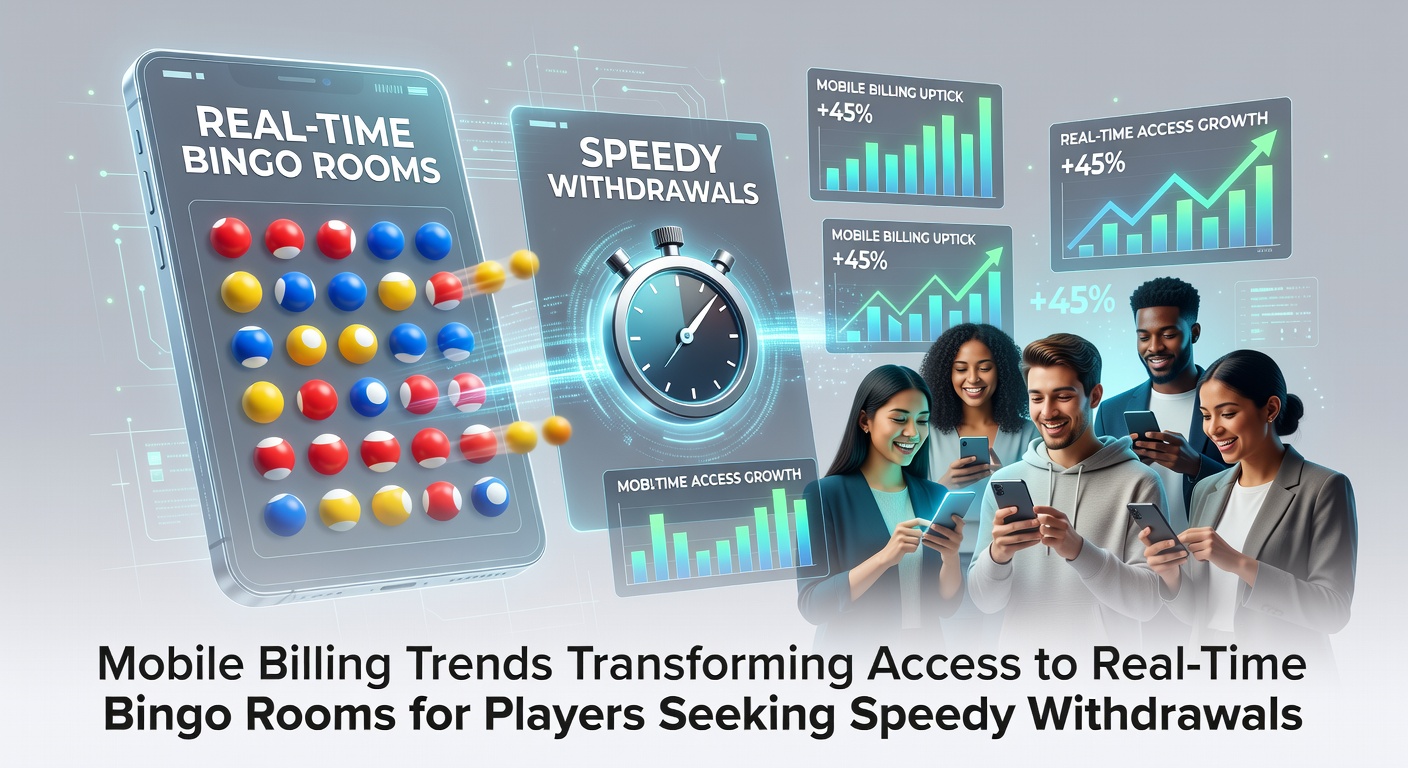
Mobile Carrier Innovations Reshaping Real-Time Bingo Access and Withdrawal Speeds Across Global Markets
Observers note that mobile carrier billing continues to evolve as a primary method for funding participation in live bingo environments, where instant room entry pairs with accelerated fund release protocols, and data from industry reports shows transaction volumes climbing steadily through 2026. Research indicates these systems leverage direct operator partnerships to bypass traditional card processing delays, allowing participants to join active sessions within seconds while withdrawal requests process in under an hour in many documented cases. Figures reveal adoption rates rising particularly in regions with high smartphone penetration, where seamless integration between carrier accounts and gaming platforms reduces friction points that once slowed both deposits and cashouts.
Key Drivers Behind Billing System Upgrades
Developments in application programming interfaces have enabled tighter connections between telecom providers and bingo operators, resulting in automated verification steps that confirm balances and authorize transfers without manual intervention. Those who've studied payment flows point out that enhanced encryption protocols now handle sensitive data exchanges during peak evening hours, when live rooms experience their highest traffic, and this infrastructure supports simultaneous entries across multiple lobbies. Evidence suggests the shift toward these streamlined pathways accelerated after infrastructure investments in 2025, with May 2026 marking a notable uptick in cross-border compatibility tests that expanded service availability for international players.
One case study highlighted by analysts at the American Gaming Association demonstrated how carrier billing reduced average deposit times by 40 percent compared to legacy methods, allowing real-time rooms to maintain continuous action without interruptions from payment confirmations. Data shows similar patterns emerging in markets outside traditional hubs, where regulatory frameworks emphasize consumer protection alongside operational efficiency.
Impact on Withdrawal Timelines and User Participation
Speedy withdrawals represent a core outcome of these billing trends, as automated reconciliation between carrier ledgers and platform accounts triggers fund releases often before the next game cycle begins. Researchers discovered that players using these methods report higher repeat engagement rates, since cleared balances appear in linked mobile wallets or bank accounts without extended holding periods. According to metrics compiled by the Interactive Games and Entertainment Association in Australia, withdrawal success rates exceeded 92 percent within the first 60 minutes during monitored periods in early 2026.
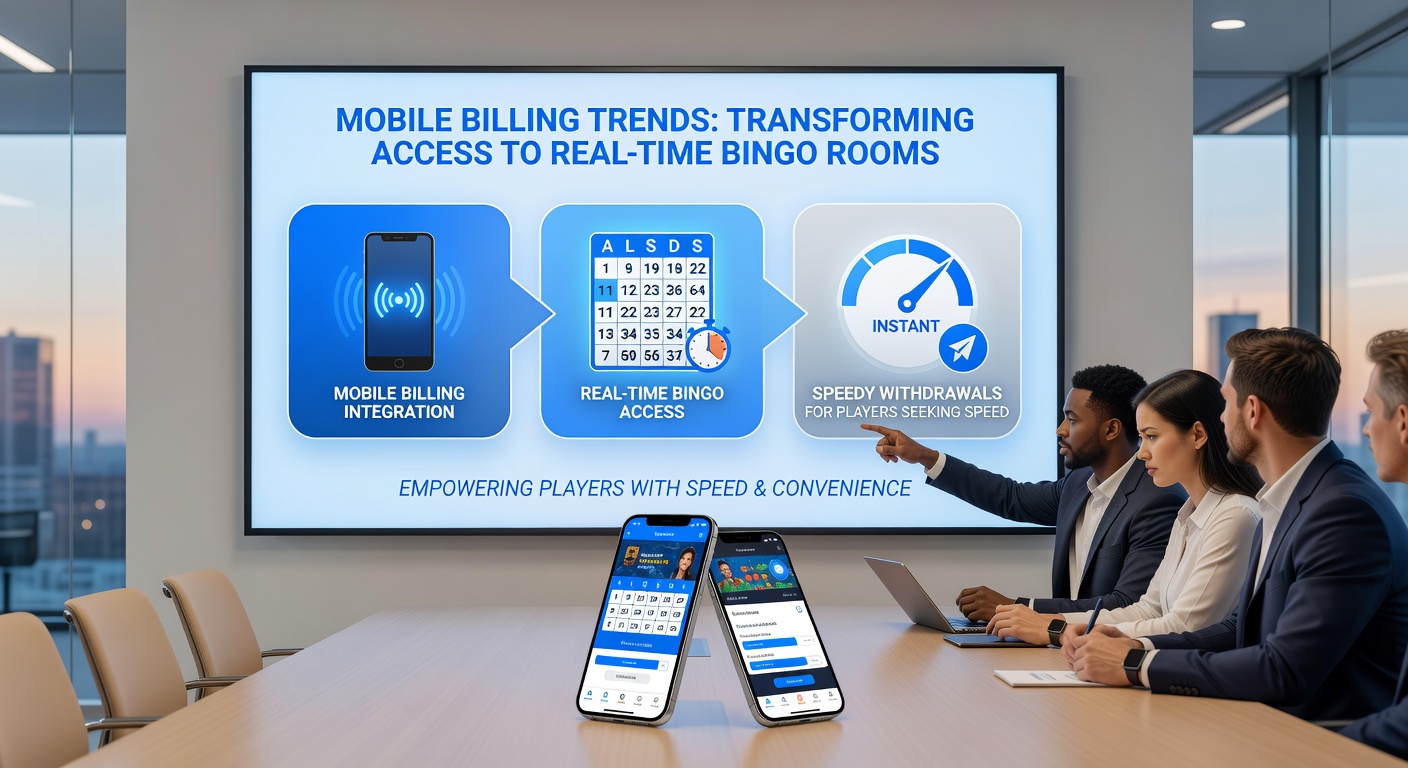
What's interesting is how these systems incorporate real-time fraud detection layers that scan for anomalies during both funding and payout stages, maintaining session integrity while minimizing false declines that could disrupt live play. Observers note integration with 5G networks further compresses processing windows, enabling simultaneous chat interactions, ticket purchases, and balance checks without latency spikes. Studies found participation in evening draws increased notably when withdrawal assurances were built directly into the billing flow, creating a closed loop that keeps funds circulating within the ecosystem.
Regional Variations and Emerging Standards
European markets have seen carrier billing protocols adapted to meet diverse licensing requirements, whereas North American operators focus on state-level compliance that still accommodates rapid fund movements. A report from the University of Nevada's gaming research division outlined how pilot programs in select jurisdictions tested hybrid billing models combining carrier credits with loyalty point redemptions, resulting in withdrawal options that settle across multiple channels. Data indicates these experiments, some of which concluded in May 2026, informed broader rollouts that prioritize player control over timing and destination accounts.
Yet the reality remains that infrastructure differences between urban and rural networks continue to influence consistency, prompting ongoing refinements in fallback mechanisms that switch to secondary verification when primary signals weaken. People who've tracked these patterns observe that smaller operators gain competitive ground by adopting standardized APIs early, which levels access to live rooms previously dominated by larger venues with custom payment stacks.
Future Trajectory Based on Current Data
Projections derived from current transaction logs suggest continued refinement in billing accuracy will sustain momentum toward sub-minute withdrawal confirmations, particularly as machine learning models refine risk assessments tied to individual account histories. Those monitoring industry shifts note partnerships between carriers and technology providers are expanding to include voice-command options for room joins, which could further embed billing processes into everyday device usage. Evidence points to sustained growth in markets where regulatory bodies encourage innovation without compromising audit trails.
Conclusion
Overall trends demonstrate that mobile carrier billing advancements are directly facilitating quicker transitions between deposit, play, and withdrawal phases in real-time bingo settings. Metrics compiled across multiple regions confirm measurable improvements in transaction speed and reliability, positioning these systems as foundational elements for ongoing platform development through the remainder of 2026 and beyond.