Everyday Mobile Billing Fuels Bingo Networks for Regional Live Room Connections
Wendy Richter · Jul 19, 2026
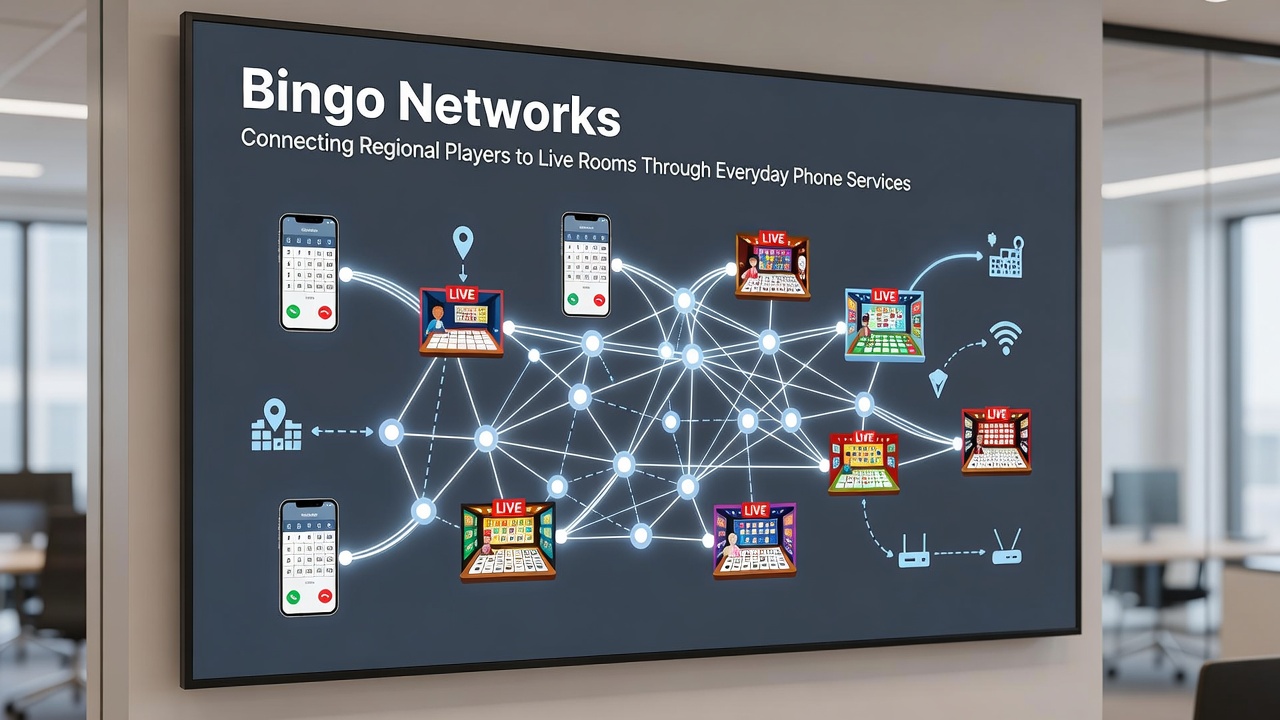
Everyday Mobile Billing Fuels Bingo Networks for Regional Live Room Connections
Regional bingo enthusiasts gain entry to live gaming rooms through carrier billing systems that integrate directly with everyday phone services, and this approach has expanded steadily across multiple operators since earlier network upgrades. Data from industry monitoring shows that players in smaller towns and rural areas rely on these connections to join sessions without separate payment apps or bank transfers, while operators maintain the same live caller formats and real-time prize draws that define the format.
Carrier billing processes charges through mobile network providers, which means users add bingo credits to their existing phone bills and avoid creating new accounts for deposits. Observers note that this method supports instant room access because verification happens at the network level, and regional players who previously faced delays now enter games within minutes of selecting a lobby. In July 2026, several networks reported increased session starts from non-urban postcodes after they expanded partnerships with two additional carriers.
How Carrier Billing Integrates With Live Bingo Platforms
Live bingo platforms accept carrier billing by routing payment requests through secure gateways that confirm user eligibility in seconds, and the process keeps players inside the same app or browser window while the room fills. Research indicates that this integration reduces drop-off rates during the deposit stage because the transaction completes without redirecting users to external sites, and operators track these patterns through aggregated usage statistics.
Regional operators connect their live rooms to these billing systems by adopting standardized APIs, which allow smaller halls to offer the same prize pools as larger national sites. Those who've studied the setup explain that the technical link between phone networks and bingo software creates a single flow where credits appear immediately and players select cards or join 90-ball games without interruption. Figures reveal that average session lengths increased in areas where carrier options became available earlier in the year.
Regional Reach and Player Connectivity Patterns
Networks built around phone billing reach players across dispersed locations by removing the need for high-speed broadband or specific banking apps, and this matters in regions where coverage relies on mobile signals rather than fiber connections. According to reports compiled by the Australian Communications and Media Authority, carrier billing adoption in gaming contexts grew by double digits in comparable markets during the first half of 2026, and similar trends appear in UK operator data.
Players in coastal towns and inland communities log into shared live rooms that draw participants from multiple counties, and the billing method ensures that location-based restrictions do not block entry. Data shows that peak evening activity includes a higher proportion of regional postcodes when phone payments serve as the primary deposit route, while morning sessions attract shift workers who value the quick top-up option.
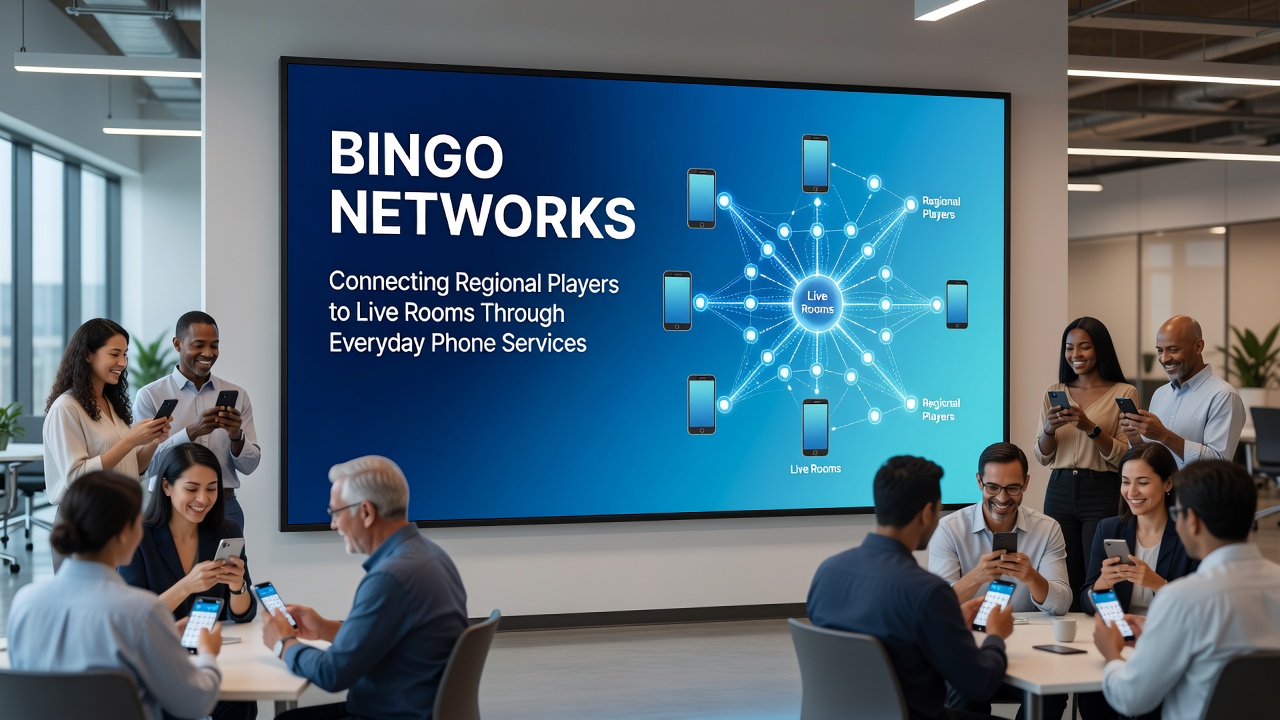
Live Room Features Supported by Phone Networks
Live rooms maintain traditional elements such as numbered ball calls, chat functions, and progressive jackpots, and carrier billing does not alter these mechanics because the payment layer sits outside the game engine. Observers note that players using phone credits participate in the same linked games as those using other methods, which keeps prize distributions consistent across the network.
Multi-room hopping becomes practical when deposits clear instantly, and regional users switch between themed lobbies without waiting for fund transfers. Evidence from operator dashboards indicates that the average number of rooms visited per session rose after carrier billing options expanded, and this pattern holds across different age groups that rely on mobile devices for access.
Security and Compliance in Phone-Enabled Networks
Operators apply the same age verification and responsible gaming tools to carrier billing accounts as they do to other payment types, and network providers enforce spending limits that align with regulatory requirements. Studies from the European Gaming and Betting Association highlight that integrated billing systems include automated flags for unusual activity, which helps maintain compliance while supporting regional participation.
Transaction records stay within the combined systems of the bingo platform and the mobile carrier, and players receive itemized charges on their monthly statements. Those monitoring the sector point out that this dual record-keeping provides an additional layer of transparency compared with some standalone wallet services.
Future Developments in Regional Bingo Connectivity
Additional carriers plan to join existing bingo networks by the end of 2026, and operators continue to test features such as in-game balance top-ups that keep users inside live sessions. Data indicates that these expansions target areas where traditional banking penetration remains lower, and the result is broader access to scheduled live draws.
Regional halls benefit from the increased player pool because phone billing supports consistent attendance rather than one-off visits, and software updates allow callers to acknowledge participants from wider geographic spreads during each game.
Conclusion
Bingo networks that rely on everyday phone services continue to link regional players with live rooms through established carrier billing pathways, and the technical connections sustain both the social aspects of the games and the operational requirements of the platforms. As more carriers integrate and compliance tools remain consistent, the pattern of regional access shows steady continuation based on current usage metrics and partnership announcements.