Community Bingo Centers Roll Out Mobile Integrations for Seamless Live Play and Digital Rewards
Taylor Richter · Aug 16, 2026
Community Bingo Centers Roll Out Mobile Integrations for Seamless Live Play and Digital Rewards
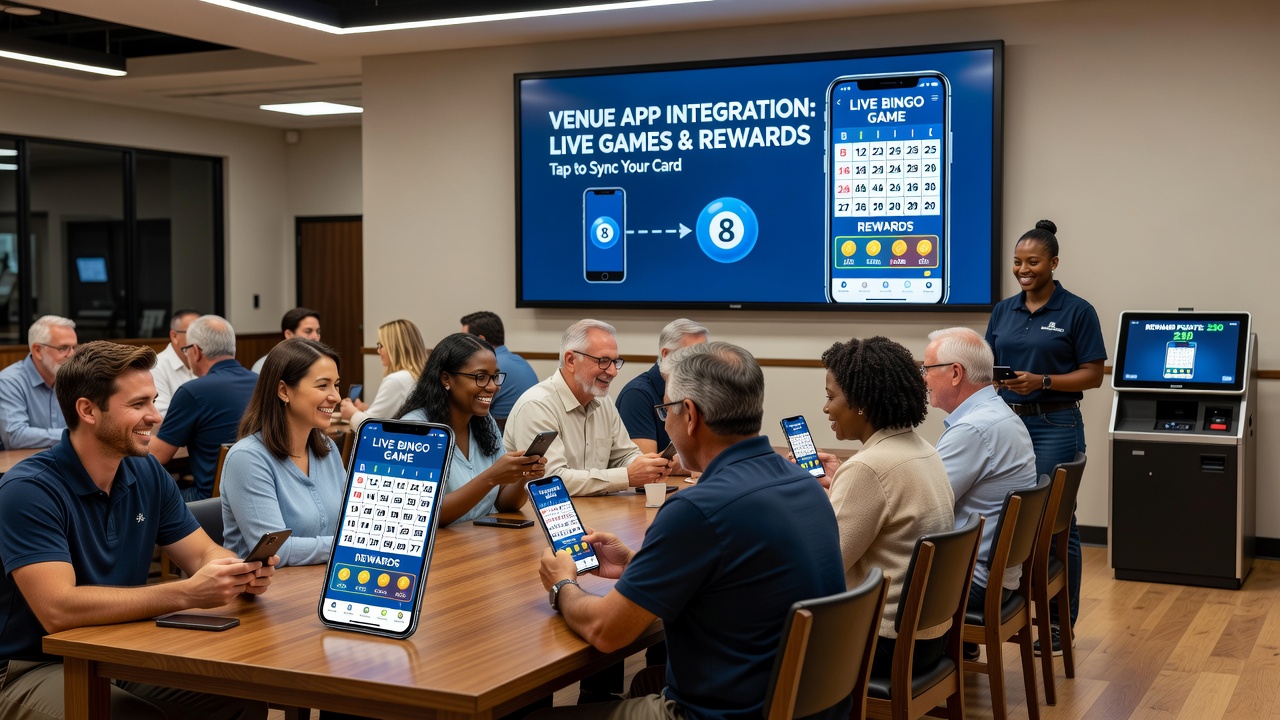
Local bingo venues across multiple regions have started embedding mobile applications directly into their in-person operations, and this shift connects physical halls with digital tools that handle ticket purchases, real-time number calls, and instant reward tracking. Observers note that these integrations allow players to join sessions without paper cards while staff manage crowds through synchronized dashboards that update as numbers are drawn on stage.
Core Features Driving the Integration
Venues equip tablets and smartphones with apps that scan QR codes at entry points, which pulls up digital cards preloaded with player preferences and links them to the live caller system. Research from industry reports shows that such setups reduce wait times at counters by up to 40 percent during peak evening sessions, since participants load balances through carrier billing or stored payment methods before teh first number gets announced.
What's interesting is how these apps sync with hall audio feeds so that every called number appears on personal devices within seconds, and players mark their grids automatically or manually depending on the chosen mode. Data indicates that this dual-layer verification cuts down on disputes because the system logs each mark against the official draw sequence maintained by the venue software.
Enhancing Live Games Through Real-Time Tools
Many halls now stream the caller feed into the app while offering side features like pattern previews and community chat windows that stay active only during the session. Those who've studied adoption patterns point out that participants who use the mobile layer often stay longer because they receive prompts about upcoming jackpots or special rounds that run parallel to the main game.
In August 2026 several independent operators in mid-sized towns rolled out enhanced GPS check-in that confirms attendance before unlocking bonus rounds, and figures from venue operators reveal a measurable uptick in repeat visits once the feature stabilized. The apps also let players switch between multiple live rooms within the same building by selecting different tables on their device, which keeps the physical space lively without forcing everyone to crowd around a single board.
Modernizing Reward Systems with Digital Tracking
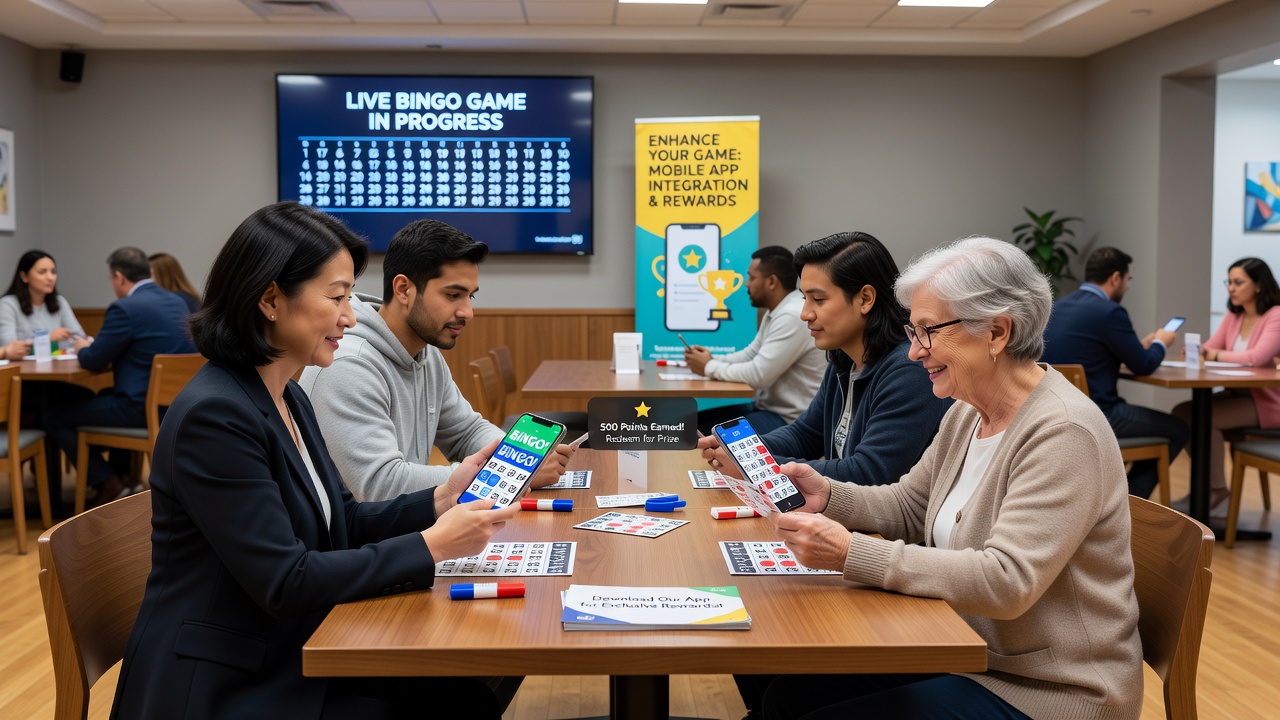
Loyalty programs have moved from stamp cards to app-based point ledgers that accumulate with every game played and every top-up completed through the mobile interface. Studies conducted by gaming technology firms show that venues using these systems record higher redemption rates for small prizes because notifications arrive immediately after thresholds are met.
Operators connect the reward engine to the live draw software so that special achievements, such as completing a line within a set number of calls, trigger instant credits that can be used for future entries or merchandise at the on-site kiosk. People who manage these programs note that the data collected helps tailor offers to individual play habits without requiring separate marketing campaigns.
Examples from Regional Venues
One midwestern US hall partnered with a local software developer to create an app that mirrors the physical caller board and awards tiered points for consecutive attendance, while a similar project in eastern Canada integrated with provincial lottery terminals to validate wins on the spot. According to a report from the American Gaming Association, facilities that introduced these tools saw average session lengths increase as players monitored progress on their phones between rounds.
Another example comes from an Australian community center that linked its app to a university-led study on engagement metrics, and the resulting data helped refine reward tiers so that casual players earned smaller, more frequent perks while regulars unlocked larger cumulative benefits. These cases illustrate how the same core technology adapts to different regulatory environments and player bases.
Operational Adjustments and Data Insights
Staff training now includes app dashboard management so that floor managers can monitor overall participation rates and adjust prize pools in real time when mobile users exceed a certain threshold. Evidence suggests that venues adopting this approach experience smoother cash flows because digital payments settle faster than traditional ticket sales at the door.
Yet the transition requires reliable Wi-Fi throughout the hall and backup systems for when devices lose connection mid-game, and operators report that most issues get resolved by maintaining a small fleet of loaner tablets for older demographics less comfortable with personal smartphones.
Conclusion
Local bingo venues continue to refine these mobile integrations by testing new features such as augmented reality overlays that highlight winning patterns on the physical board, and the pattern of steady adoption points to a lasting shift in how community halls combine live interaction with digital convenience. The combination of real-time game support and automated reward tracking creates measurable efficiencies that keep both players and operators engaged with the evolving format.