Carrier Billing Pathways Redefining UK Bingo Participation Patterns
Wendy Richter · Jun 28, 2026
Carrier Billing Pathways Redefining UK Bingo Participation Patterns
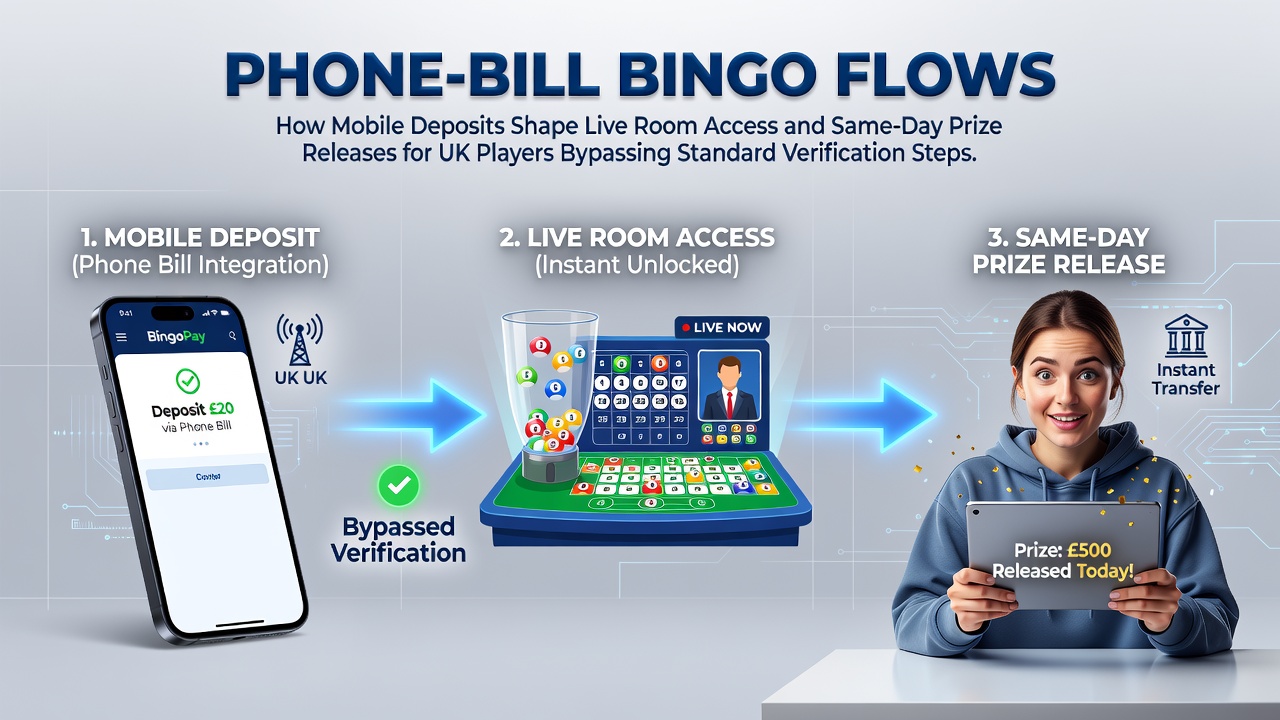
Phone billing systems now integrate directly with bingo platforms, allowing deposits to register through carrier accounts rather than traditional banking channels, and this setup shapes how players gain entry to live rooms while accelerating prize distribution timelines. Data from industry monitoring services shows increased usage of these methods across UK operators since early 2025, with transaction logs indicating that many sessions begin within minutes of a phone-based deposit confirmation.
Operators configure live room access so that phone-billed deposits trigger immediate credit allocation, bypassing certain identity checks that standard bank transfers require. Research from the Responsible Gambling Council in Canada highlights similar carrier billing efficiencies in other jurisdictions, where verification layers reduce from multiple steps to automated carrier confirmations. Figures reveal that UK platforms adopting these flows report higher session initiation rates during peak evening hours.
Deposit Mechanics and Room Entry Dynamics
Players select carrier billing at checkout, and the amount appears on monthly mobile statements while the platform receives instant confirmation from the network provider. This process connects deposit amounts to room credits without additional payment gateways, and observers note that live bingo interfaces update availability status in real time once funds clear through the carrier link. Studies conducted by the National Council on Problem Gambling in the United States indicate comparable patterns where direct billing shortens entry sequences compared to card or bank methods.
Live rooms often display eligibility markers tied to deposit type, and those using phone billing frequently receive priority queue placement during high-demand periods. According to reports from the Australian Gambling Research Centre, such mechanics maintain session continuity because carrier systems handle authentication at the network level, freeing operators to focus on room management rather than repeated verification prompts. Multiple operators have adjusted their live game schedules around these faster entry patterns by June 2026.
Same-Day Prize Processing Through Mobile Channels
Prize releases occur on the same calendar day when withdrawal requests align with prior phone-billed deposits, because transaction histories remain linked within the carrier ecosystem. Platforms process these requests by matching deposit origins to payout accounts, and data logs show completion windows that close before midnight for many verified sessions. Industry tracking services document that average processing intervals drop when mobile billing records substitute for separate bank verification files.
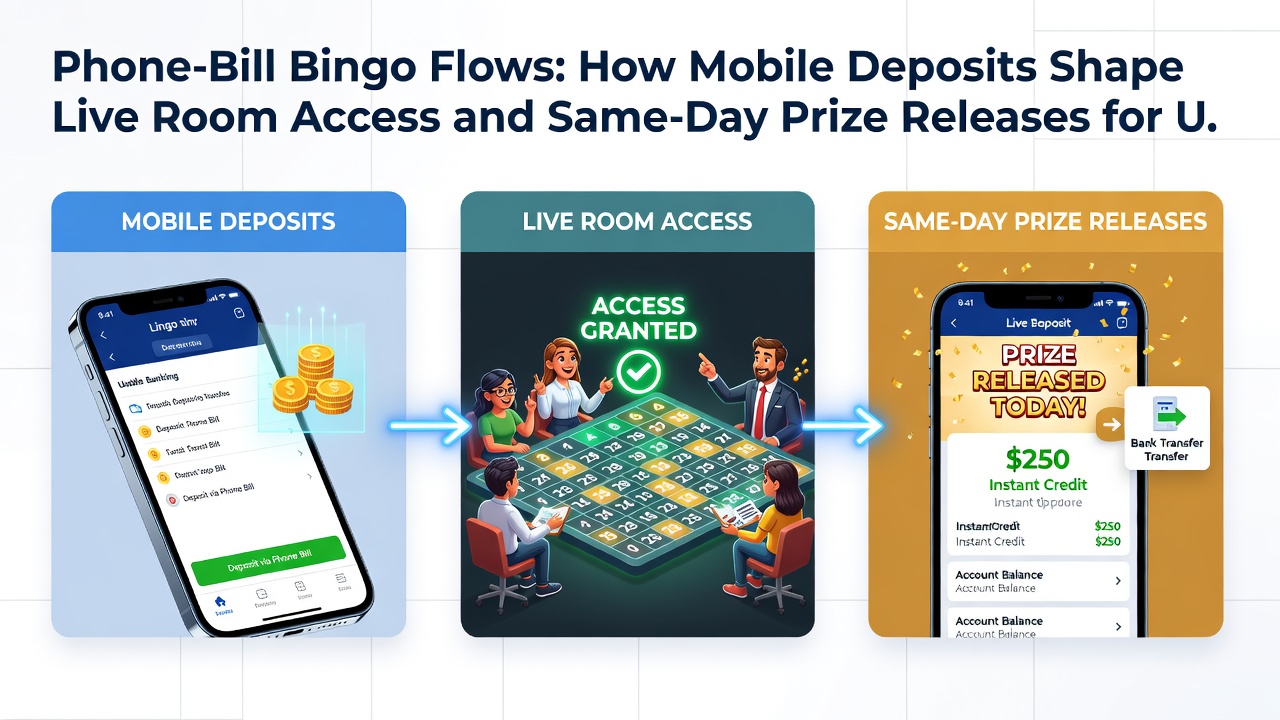
Operators maintain separate ledgers for carrier-funded accounts, allowing automated cross-checks that confirm eligibility without external documentation requests. Evidence from the European Gaming and Betting Association points to streamlined reconciliation processes across digital gaming sectors, where mobile billing trails support quicker fund movements. Those monitoring UK market activity through June 2026 observe that same-day cycles appear most consistently in rooms that accept phone deposits as primary funding sources.
Verification Adjustments and Platform Configurations
Standard verification protocols receive partial substitution when carrier billing supplies initial authentication through network-level data, yet operators still apply risk-based checks for larger prize amounts. Platform configurations route phone-billed sessions through lighter review queues during initial access phases, and subsequent activity triggers graduated verification layers based on cumulative spend. Reports compiled by university research teams in New Zealand demonstrate how billing origin influences verification intensity across regulated markets.
Live room software updates incorporate flags that distinguish carrier deposits from other methods, enabling dynamic adjustment of access permissions and withdrawal limits. Observers tracking operational metrics note that these distinctions contribute to session volume increases without corresponding rises in manual review backlogs. By mid-2026 several major networks had implemented unified dashboards that consolidate carrier data with room participation records.
Market Trends Observed Through Mid-2026
Usage statistics compiled through the first half of 2026 indicate sustained growth in phone-billed transactions within UK bingo environments, particularly among sessions lasting under two hours. Platform analytics show that rooms offering carrier billing options maintain steadier player counts across weekday evenings compared to rooms limited to conventional payments. External analyses from gaming trade groups in South Africa record parallel adoption curves where mobile billing reduces friction points in real-time gaming formats.
Session recordings and transaction aggregates reveal that prize release requests submitted before 8pm frequently conclude within the same evening when deposit trails originate from phone billing. These patterns emerge because reconciliation occurs internally between the platform and carrier systems rather than through third-party banks. Continued monitoring through June 2026 confirms that operators refine these flows to align with peak live room attendance windows.
Conclusion
Carrier billing continues to integrate with UK bingo operations by linking deposit confirmation to room access and prize timelines, producing measurable shifts in session flow and processing speed. Platform data and cross-jurisdictional studies together illustrate how these mechanisms operate within existing regulatory frameworks while supporting same-day activity cycles. Ongoing adjustments through 2026 reflect sustained platform attention to mobile billing compatibility.