Blending Heritage and Innovation in Bingo: Mobile Access Fuels Community Gatherings with Multiple Game Variations
Olivia Neumann · Jul 26, 2026
Blending Heritage and Innovation in Bingo: Mobile Access Fuels Community Gatherings with Multiple Game Variations
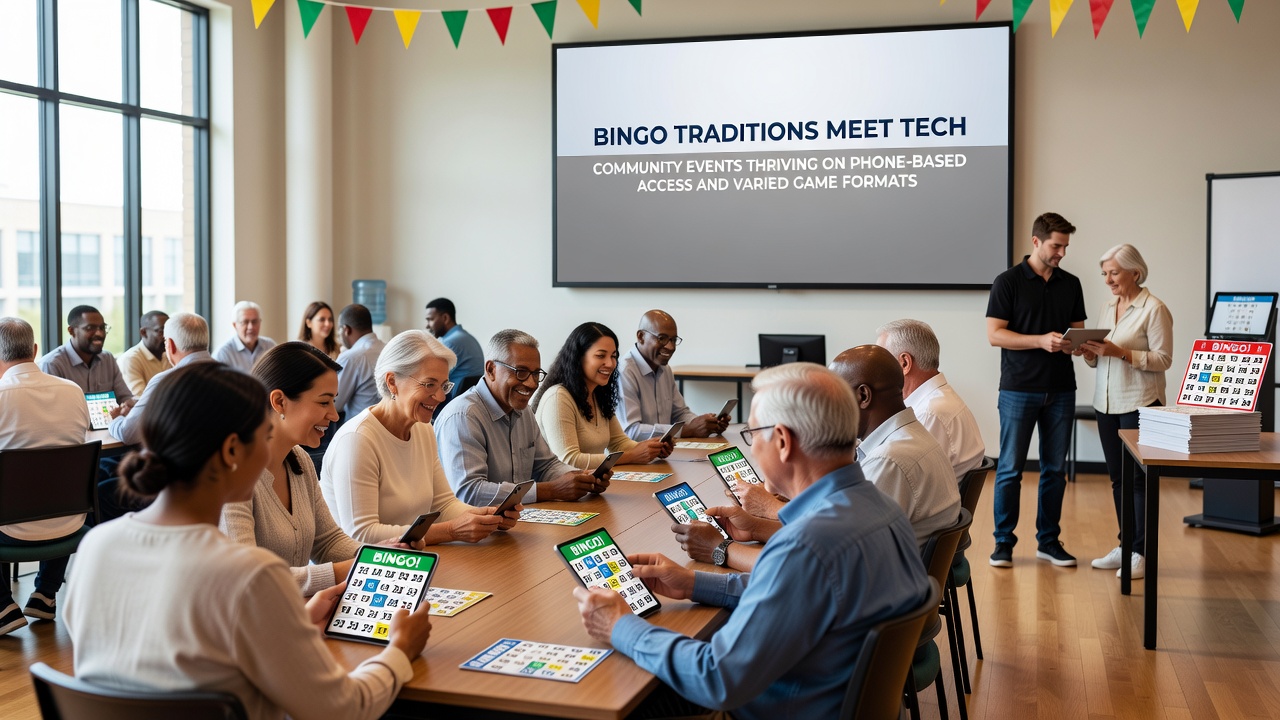
Traditional bingo events have long served as gathering points for neighborhoods and social circles, yet recent developments show these gatherings expanding through phone-based entry systems that allow broader participation without altering the core communal experience, and data from industry reports indicate rising attendance numbers in both physical and hybrid formats across multiple regions. Observers note that organizers now combine classic number-calling sessions with digital tools, which handle payments and room access while preserving the live interaction that participants value most.
Roots of Community Bingo Events
Community bingo sessions trace their structure to organized halls where groups assemble for scheduled games, and researchers from academic studies on recreational activities have documented how these events foster repeated social contact among residents in towns and cities. In practice, callers announce numbers drawn from physical or electronic cages, players mark cards in real time, and winners claim prizes at the end of each round, yet the addition of phone-based systems now lets remote users enter the same draws through secure apps that mirror the hall experience.
Figures from gaming associations reveal that participation rates climbed steadily through 2025 and into July 2026, with many events reporting hybrid attendance where some players sit in the hall while others connect via mobile devices. This pattern holds across different countries because the technology integrates with existing schedules rather than replacing them, and community groups have adapted by offering both in-person and digital ticket options during the same session.
Phone-Based Access Expands Reach
Phone-based access relies on carrier billing and app interfaces that let users join live games by entering a code or tapping a link, and studies from research institutions in North America and Europe show these methods reduce barriers for those who cannot travel to venues. Organizers maintain the same game rules and prize pools, so the experience stays consistent whether someone sits at a table or connects from another location, while real-time updates keep everyone synchronized during each number call.
Industry organizations tracking recreational gaming report that sessions using mobile entry often run with higher total player counts than venue-only events, because the system accommodates last-minute joins without extra staff. Those who have examined participation logs note that average session lengths remain unchanged, yet the mix of local and remote players creates new conversation threads in chat features tied to the main room.
Varied Game Formats Keep Events Fresh
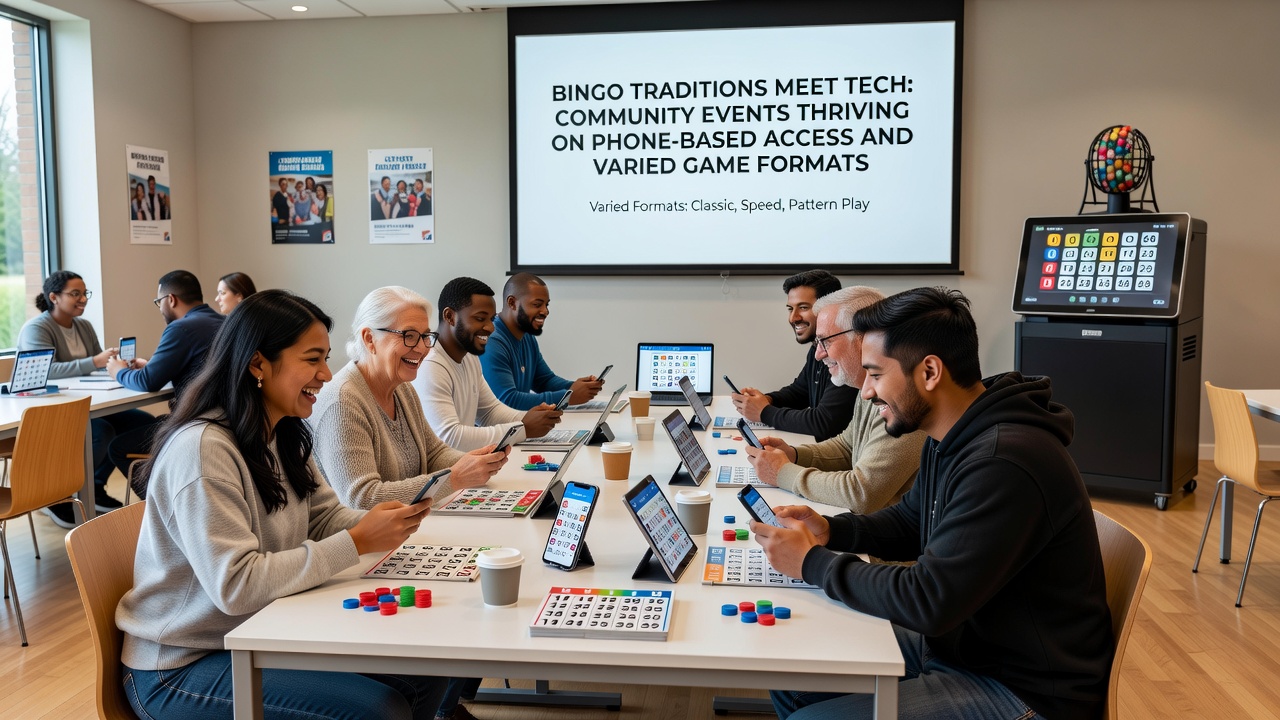
Event planners now schedule multiple formats within single gatherings, including 90-ball sequences common in some regions and 75-ball patterns used elsewhere, and this variety lets groups attract players with different preferences without extending the overall evening. Data compiled by trade groups indicate that rotating formats during one night increases repeat attendance because participants can try new card structures while staying within familiar social circles.
Community centers and halls that adopted these options in 2026 recorded steady turnout even on weekdays, since mobile access removes travel constraints and varied games reduce repetition for regular attendees. Observers have seen callers introduce speed variations or pattern bonuses mid-session, which keeps engagement high while the underlying community focus stays intact.
Integration of Technology with Tradition
Technology enters through platforms that stream live calls to phones and allow instant card purchases, yet halls continue to use physical boards and callers to anchor the event in its original form. Reports from Australian gaming research bodies highlight cases where rural groups combined phone entry with village hall broadcasts, resulting in wider regional involvement without losing the local character of each gathering.
Those tracking attendance trends point out that events offering both traditional marking and app-assisted tracking report fewer errors during play, because the digital layer confirms numbers while players retain the tactile card experience. This dual approach supports larger prize pools funded by increased entries, and the funds stay within the community through local charity tie-ins.
Conclusion
Community bingo continues to evolve by layering phone-based systems and multiple game formats onto longstanding event structures, and available figures show sustained or growing participation in July 2026 across varied locations. The combination preserves the social core while expanding access, allowing organizers to maintain schedules that work for both hall regulars and remote joiners. As more groups adopt these methods, the pattern points to continued stability for these gatherings in their updated form.