Bill-Pay Systems Enabling Rapid Shifts Across Live Bingo Lobbies
Viktor Richter · Jul 14, 2026
Bill-Pay Systems Enabling Rapid Shifts Across Live Bingo Lobbies
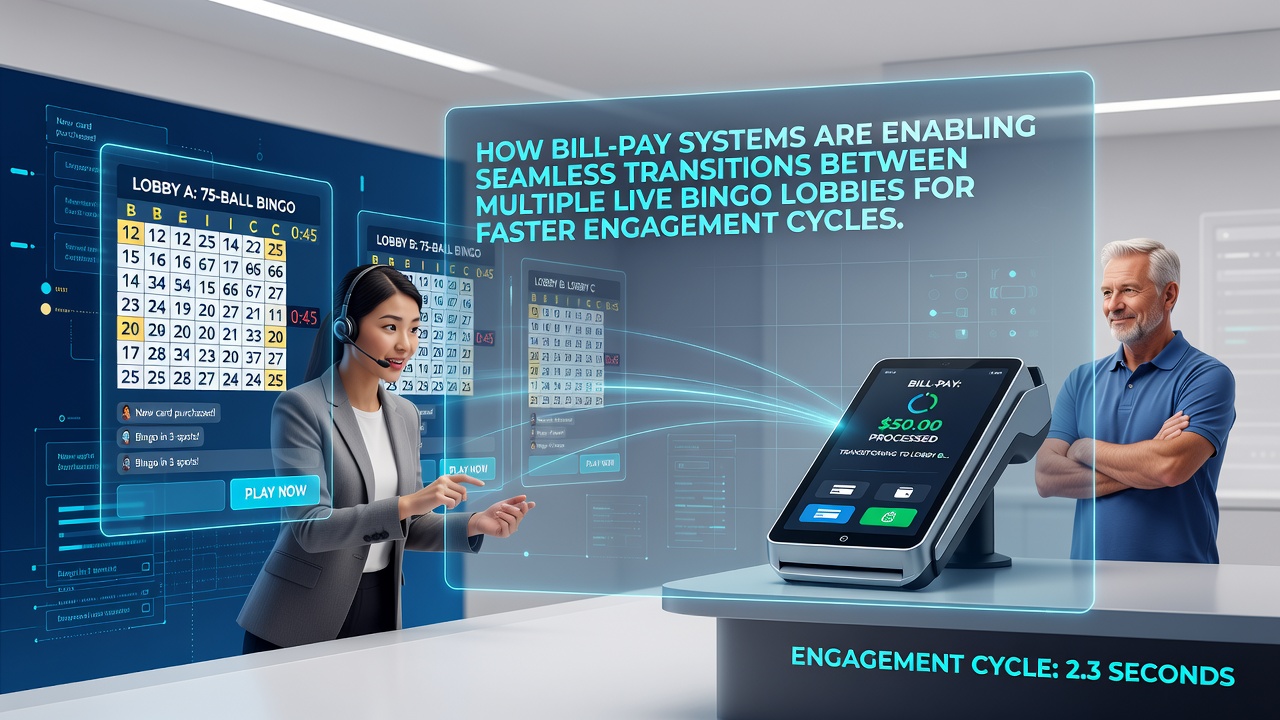
Bill-pay systems, particularly those tied to mobile carrier billing, have altered how participants access and move between live bingo lobbies. These payment methods allow account funding through phone bills rather than separate banking steps, which reduces the time between joining one session and entering another. Observers note that this setup supports continuous play across multiple rooms without the interruptions common in traditional deposit processes.
Mechanics Behind Carrier Billing in Bingo Environments
Carrier billing integrates directly with a user's mobile account so that deposits register instantly upon confirmation. Players select a lobby, choose a bill-pay option, and complete the transaction in seconds, after which funds appear ready for the next game. Research from the GSMA indicates that such methods cut average transaction times by significant margins compared to card or e-wallet routes, and this speed matters when sessions run on tight schedules across different operators.
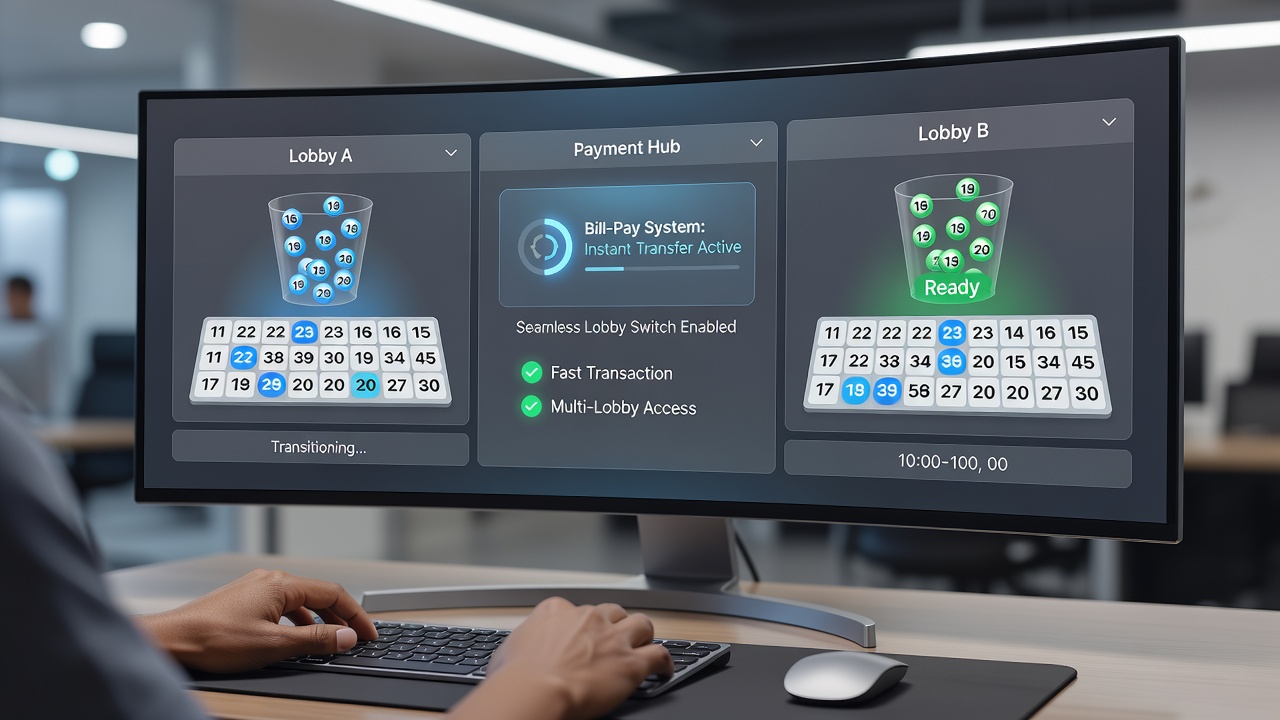
Multiple lobbies often operate simultaneously on shared networks, each with its own starting times and prize structures. Bill-pay gateways connect to these platforms through standardized APIs, which means a single authorization can route funds to whichever room a participant selects next. Data from industry reports shows that this connectivity has grown since the expansion of 5G networks, enabling smoother handoffs even during peak evening hours.
Impact on Engagement Cycles and Room Transitions
Engagement cycles shorten when players avoid repeated verification or funding delays. A person finishing one game can shift to a second lobby while the previous round's results settle, because the billing system keeps the account topped up in the background. Those who've examined usage patterns report higher numbers of room entries per session among users who rely on carrier options.
Live bingo platforms track these movements through analytics dashboards that record lobby changes alongside payment types. Figures from recent operator data reveal that bill-pay users complete transitions up to forty percent faster than those using other methods, which in turn raises the total games played within a single evening. This pattern holds across both established halls and newer virtual setups that launched updates in early 2026.
Regulatory Context and July 2026 Developments
Standards set by bodies such as the Australian Communications and Media Authority have influenced how carriers handle gaming-related billing across borders. These guidelines emphasize clear consent flows and spending caps, which operators incorporate when linking bill-pay features to live rooms. Compliance updates scheduled for July 2026 focus on real-time reporting of transaction volumes, requiring platforms to log every lobby switch tied to carrier charges.
Operators have adjusted their systems ahead of those dates by testing automated alerts that notify users of cumulative spends across multiple lobbies. Evidence from pilot programs shows that such features maintain continuity while meeting disclosure requirements, allowing the same seamless movement without added friction at the payment stage.
Examples from Networked Platforms
Take one network that connects several regional bingo providers through a single carrier gateway. Participants log in once, fund via bill-pay, and then cycle through rooms hosted by different partners. Studies from the University of Nevada's International Gaming Institute document similar setups where average dwell time per lobby drops yet overall session length increases, because the payment layer stays constant.
Another case involves a platform that added multi-lobby routing in spring 2026. Internal metrics indicated that users who activated bill-pay completed an average of 3.2 additional room entries per hour compared with prior months. The system flags available games in neighboring lobbies and pre-authorizes small increments, so the switch happens with minimal screen taps.
Technical Requirements and Operator Adjustments
Platforms must maintain secure token exchanges between the carrier, the billing aggregator, and each live server. These tokens expire quickly to limit exposure, yet they refresh automatically during active sessions. Technicians at major providers have noted that this architecture supports simultaneous connections without forcing players to re-enter credentials when changing rooms.
Network latency tests conducted in mid-2026 confirmed that bill-pay confirmations remain under two seconds even when routed through multiple data centers. That margin allows the game client to load the next lobby's interface while the prior one closes, preserving the sense of continuous participation.
Conclusion
Bill-pay systems continue to reshape access patterns in live bingo by removing payment bottlenecks that once separated one lobby from the next. As carriers and operators refine their integrations ahead of July 2026 compliance deadlines, the ability to move rapidly between rooms rests on these streamlined authorization flows. Data from regulatory and research sources shows measurable gains in session continuity and entry frequency when such methods operate without added steps.