App Integration Reshaping Bingo Networks with Instant Room Transitions and Mobile Billing Prize Systems
Olivia Neumann · Aug 23, 2026
App Integration Reshaping Bingo Networks with Instant Room Transitions and Mobile Billing Prize Systems
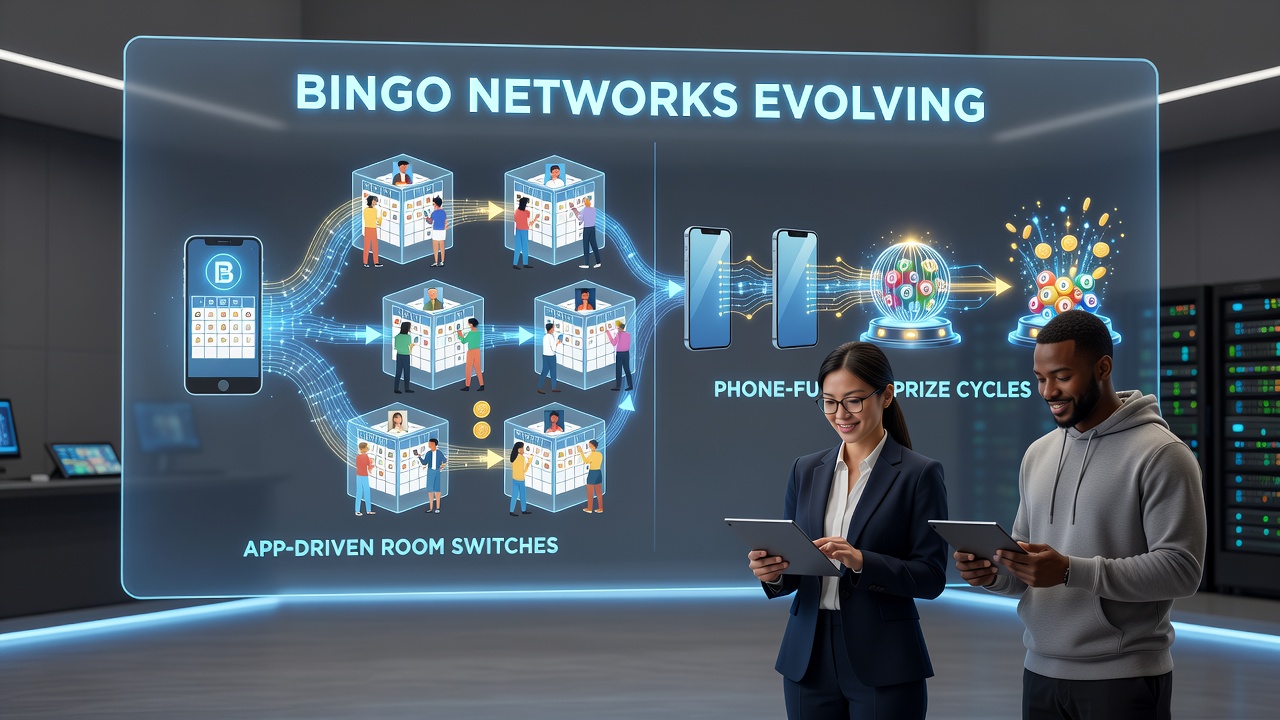
Network operators have expanded their infrastructure to support seamless transitions between bingo rooms through dedicated mobile applications, while carrier billing systems handle deposit flows that cycle back into prize distributions within the same session windows. Data from industry tracking services shows these combined features increased session durations by measurable margins across multiple platforms during the first half of 2026. Observers note that the shift allows players to move between lobbies without logging out or reloading separate interfaces, creating continuous engagement patterns that operators monitor through backend analytics.
Technical Foundations Behind Room Switching Features
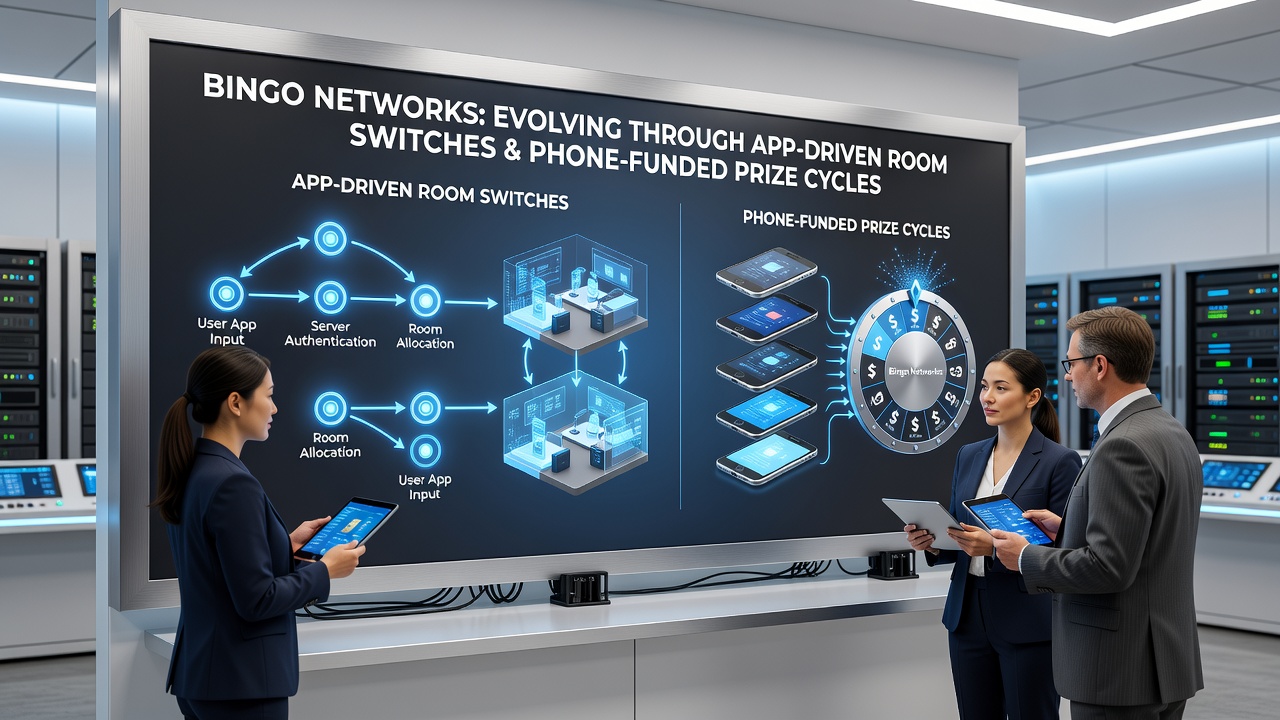
Developers integrated API layers that connect separate bingo rooms into unified app environments, enabling instant lobby changes based on player selections or automated prompts tied to prize availability. Research from gaming technology firms indicates that these connections reduced average transition times from several minutes to under thirty seconds in tested deployments. Systems log each switch alongside billing timestamps, which helps administrators align prize cycles with incoming funds from phone accounts. One documented implementation in European markets demonstrated how app prompts guided users toward rooms with active prize pools funded through the same carrier transactions, streamlining the overall flow without additional verification steps.
Carrier Billing Integration and Prize Distribution Patterns
Phone-funded deposits now feed directly into rotating prize structures where operators release portions of accumulated credits at set intervals throughout the day. Figures from payment processing reports reveal that carrier billing accounted for rising shares of total deposits in bingo networks by mid-2026, particularly in regions where traditional card options faced processing delays. These cycles operate on automated schedules that release smaller guaranteed amounts alongside larger progressive totals, with the timing synchronized to app-detected room activity. Experts tracking payment trends point out that the model reduces friction points associated with external gateways, allowing funds to appear in player balances almost immediately after confirmation from the mobile carrier.
Network Adaptations Observed in August 2026
By August 2026 several major operators had rolled out updated app versions that combined room switching with real-time prize trackers visible across multiple lobbies simultaneously. Statistics compiled by regional gaming associations showed participation spikes during evening hours when phone-billed deposits triggered bonus cycles tied to specific room themes. Administrators adjusted room capacities dynamically through the same interfaces, moving players automatically when one lobby reached its prize threshold and another opened with fresh funding from carrier sources. This approach maintained consistent activity levels even as individual sessions concluded and new ones began without full restarts.
Regulatory Context Across Different Jurisdictions
Authorities in various markets have examined these app and billing combinations through existing consumer protection frameworks rather than creating entirely new rulesets. Reports from the Gambling Regulatory Authority of Singapore highlight how operators must maintain transparent records of carrier transactions to ensure prize allocations match deposited amounts. Similar reviews in Canadian provinces have focused on data security surrounding app-stored billing details, with requirements that networks retain logs for audit purposes. These measures align with broader efforts to monitor digital payment flows without restricting the technical mechanisms themselves.
Operational Examples from Multi-Lobby Platforms
Platforms operating across several countries demonstrated how app users could shift from a standard 75-ball room to a themed 90-ball variant while their phone-funded balance carried over automatically. Case studies presented at industry conferences documented prize cycle completions where winnings from one room funded immediate entry into another, all processed through the same carrier account without separate transfers. Operators reported that these connections increased repeat visits because players encountered fewer barriers between different game formats. Backend systems track the sequence of room entries alongside billing events to generate reports that satisfy compliance checks in each operating region.
Future Infrastructure Considerations
Engineers continue refining the synchronization between app interfaces and carrier billing gateways to support larger prize pools that update in real time as deposits arrive. Studies from academic institutions such as the University of Nevada's gaming research center examine how these integrated systems affect overall network stability during peak periods. Data patterns suggest that operators who maintain consistent prize release schedules tied to app activity see steadier participation across connected rooms. Adjustments planned for late 2026 include expanded analytics dashboards that display room switch frequencies alongside billing volumes for administrative review.
Conclusion
Bingo networks have incorporated app-based room transitions and phone billing mechanisms into core operations, producing measurable shifts in how players move between lobbies and how prizes distribute through automated cycles. Records from multiple sources confirm these features operated consistently through August 2026, supported by technical updates and compliance frameworks that vary by jurisdiction. Continued monitoring of usage data will determine how operators refine these connections in subsequent periods.